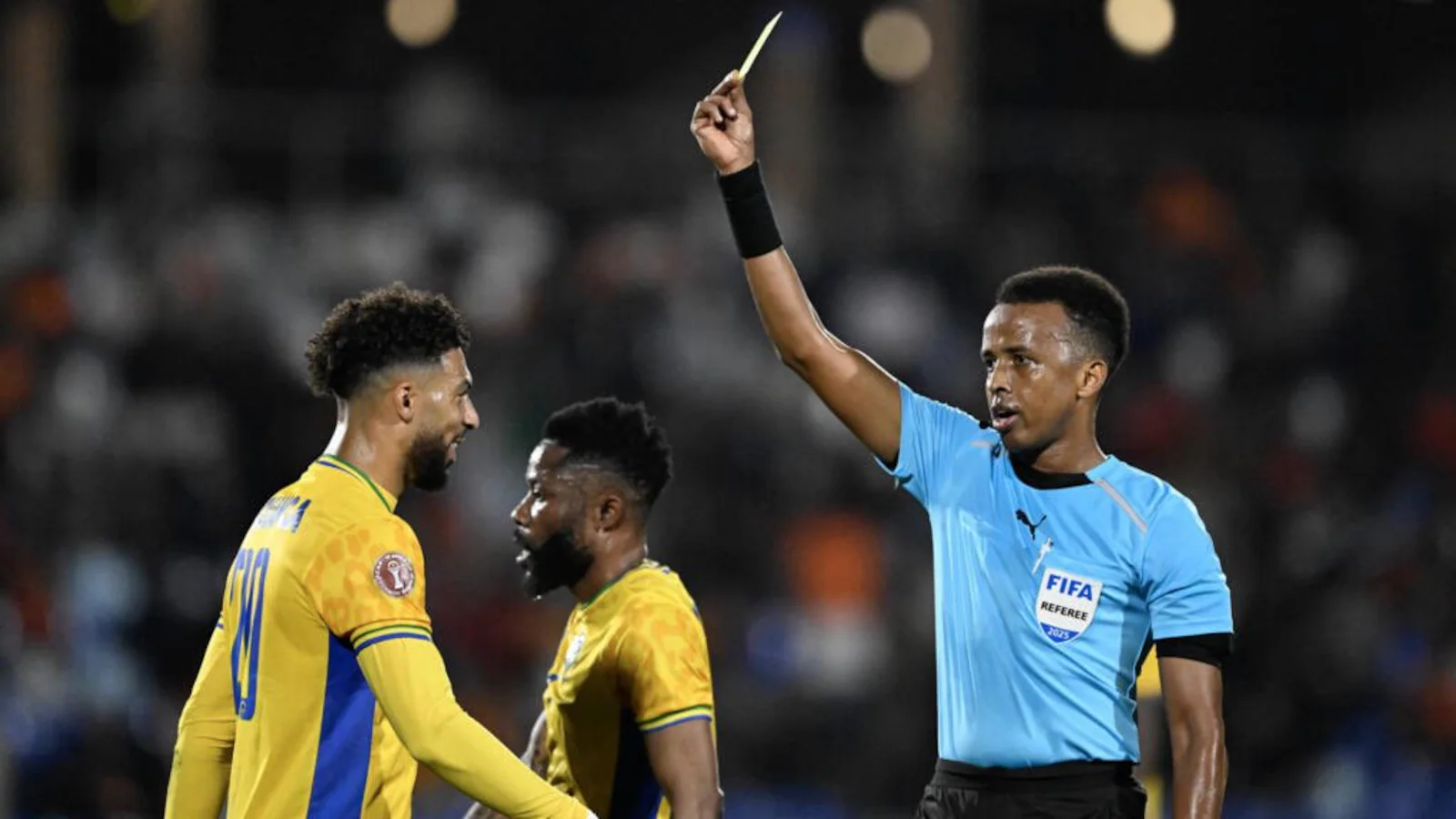
MIAMI : Somali referee Omar Artan’s historic World Cup debut has been put on hold after U.S. authorities denied him entry into the country, forcing FIFA to remove him from officiating duties at the tournament that begins on Thursday.
Artan, widely regarded as one of Africa’s leading referees, had been set to become the first official from Somalia to referee at a FIFA World Cup after being named to the tournament’s final list of match officials earlier this year.
U.S. Customs and Border Protection (CBP) said Artan was denied entry upon arrival at Miami International Airport on Saturday due to unspecified “vetting concerns,” despite having been issued a visa last week.
“Following inspection, the traveler, a referee for the FIFA World Cup, was determined to be inadmissible due to vetting concerns and was denied entry,” CBP said in a statement, adding that admissibility decisions are made on a case-by-case basis using available immigration, law enforcement and national security information.
Neither CBP nor U.S. authorities publicly disclosed the nature of the concerns.
The Somalia Ministry of Youth and Sports said it had not been informed of the reasons for the decision and that Somali diplomatic officials were seeking clarification and exploring whether Artan could still participate in the tournament.
The incident is highly unusual given that Artan had been officially appointed by FIFA and was expected to join fellow referees at their pre-tournament training camp in Miami.
FIFA said it had been informed by U.S. authorities that Artan’s immigration status would not change in time for the competition, leaving him unable to complete the required preparations and officiate matches.
“In line with previous FIFA events, a host government ultimately determines who receives a visa and who is admitted into their country,” FIFA said in a statement.
Artan responded through FIFA by expressing disappointment but maintaining a positive outlook.
“Despite the circumstances, I am in a positive mood and I am focused on the next challenges in my refereeing career,” he said. “I would like to thank FIFA and CAF for all their support and I promise to keep my refereeing levels up as I concentrate on the future.”
The case has drawn attention because Somalia is among several countries affected by tighter U.S. immigration restrictions introduced in recent years, raising concerns about access to major international sporting events.
Artan’s rise to the highest level of officiating has been widely celebrated in Somalia. In 2025, he was named Africa’s best male referee and last month took charge of the decisive second leg of the CAF Champions League final, the continent’s premier club competition.
In a recent interview, Artan described the challenges of pursuing a refereeing career in Somalia, including navigating security risks in Mogadishu, where conflict and periodic attacks remain a reality.
“You cannot give up as a referee,” Artan said. “This was my big, big target and I’m really excited.”
Instead of making history on the World Cup stage this week, Artan will now watch from afar as the tournament begins without the first Somali referee ever selected to officiate at football’s biggest event.