NEW DELHI: At a time when the world is grappling with food insecurity along with staggering levels of food waste, India presents a striking paradox. One of the world’s largest producers of food also ranks among the top contributors to global food wastage. Millions of tonnes of edible food are discarded every year, even as millions of people go to bed hungry.
Against this backdrop, a growing movement within India’s hospitality sector is asking an important question: Can restaurants do more than just serve food? Can they become active partners in the fight against hunger?
One answer is emerging from an unexpected intersection – cricket, cuisine, and conscience.
From Waste to Worth: Rethinking the Role of Restaurants
Globally, restaurants are often seen as part of the food waste problem. In India, where large-scale cooking is common for weddings, festivals, and corporate events, excess food frequently ends up in landfills. But a shift could be underway, driven by the idea that surplus food, when managed responsibly, can become a resource rather than refuse.
This thinking lies at the heart of Feed India-style initiatives – efforts that combine awareness, redistribution, and accountability.
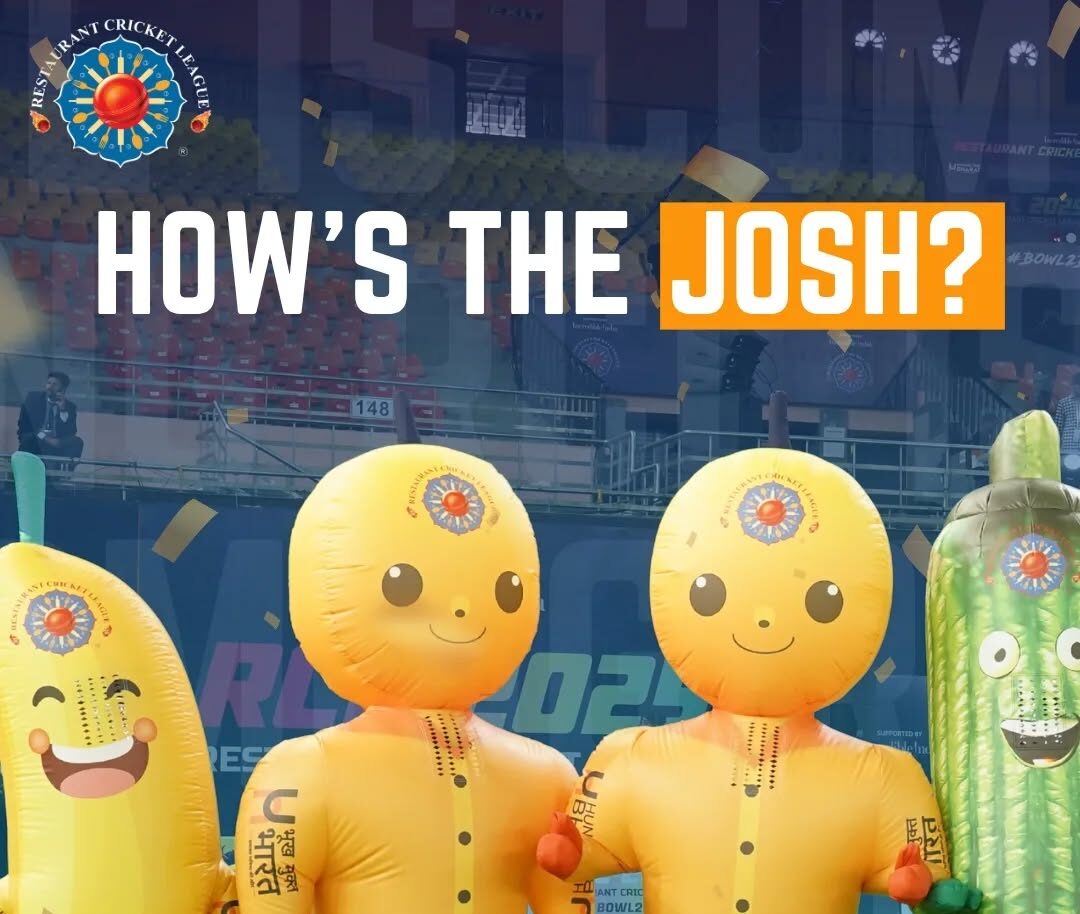
Among the most innovative of these is the Restaurant Cricket League (RCL), a platform that transforms sporting performance into meals for the hungry.
Cricket with a Purpose
Launched as a unique collaboration between India’s hospitality community and the country’s most popular sport, RCL uses cricket as a social currency. The concept is disarmingly simple: every 10 runs scored during the tournament translates into 100 meals served to the underprivileged.
In a cricket-loving nation, the idea resonates instantly. Runs are no longer just numbers on a scoreboard; they become tangible acts of social impact.
Behind this model is hospitality professional Arvind Kumar, a veteran of over three decades in the industry. While widely respected for his leadership in one of Delhi’s most prestigious hospitality institutions, Kumar’s deeper motivation lies outside conventional business metrics. For him, sport is not entertainment alone – it is a tool for mobilisation.
Rather than positioning hunger alleviation as charity, RCL frames it as collective responsibility, with restaurants, chefs, employees, and consumers all playing a role.
Season 3: When the Industry Stepped In
The third season of the Restaurant Cricket League, held in February 2025 in Delhi, marked a significant leap in scale and visibility. Iconic Indian food brands—names synonymous with tradition, celebration, and taste came together on one field. Among them were legacy establishments such as Nathu’s and Bikanerwala, alongside other major players in the food ecosystem.
Their participation sent a powerful signal: the food industry cannot remain detached from the consequences of food waste and hunger.
The results were striking. Over the course of the tournament, RCL Season 3 generated approximately 2,30,000 meals, delivered through partner organisations working on the ground. What began as a sporting event evolved into a statement of intent from an industry often criticised for excess.
Why It Matters Beyond India
The RCL model offers an instructive case study. It demonstrates how culturally embedded platforms – in this case, cricket – can be repurposed to address social challenges without heavy bureaucracy or moral grandstanding.
India’s food waste problem mirrors global trends. According to international estimates, nearly one-third of all food produced worldwide is wasted, while hunger remains a persistent crisis. RCL’s approach does not rely solely on redistribution; it builds awareness, measurement, and public participation into its structure.
By linking performance to outcomes – runs to meals – it introduces accountability in a way that is visible and engaging.
More Than a Tournament
RCL has also become a convening space. Politicians, business leaders, social entrepreneurs, and influencers have increasingly associated themselves with the league, lending credibility and expanding its reach. Their presence has helped shift the narrative – from isolated acts of philanthropy to a broader movement around responsible consumption.
Crucially, the league avoids portraying beneficiaries as passive recipients. Instead, it frames hunger as a solvable problem when industries align their influence with intent.
Looking Ahead: Inclusion as Impact
The upcoming Season 4 of the Restaurant Cricket League, scheduled to take place in Delhi, is set to broaden this vision further. With new teams and wider participation expected, the league is also introducing a landmark element: the inclusion of a Transgender Cricket Team, which will play special charity matches.
In a country where transgender communities have historically faced exclusion, this move signals that social responsibility must also mean social inclusion. Sport, once again, becomes a bridge – this time between visibility, dignity, and equality.
An Idea with Global Relevance
What makes the Restaurant Cricket League noteworthy is not just the number of meals served, but the mindset it represents. It challenges restaurants to see surplus as opportunity, competition as contribution, and success as something measured beyond profit.
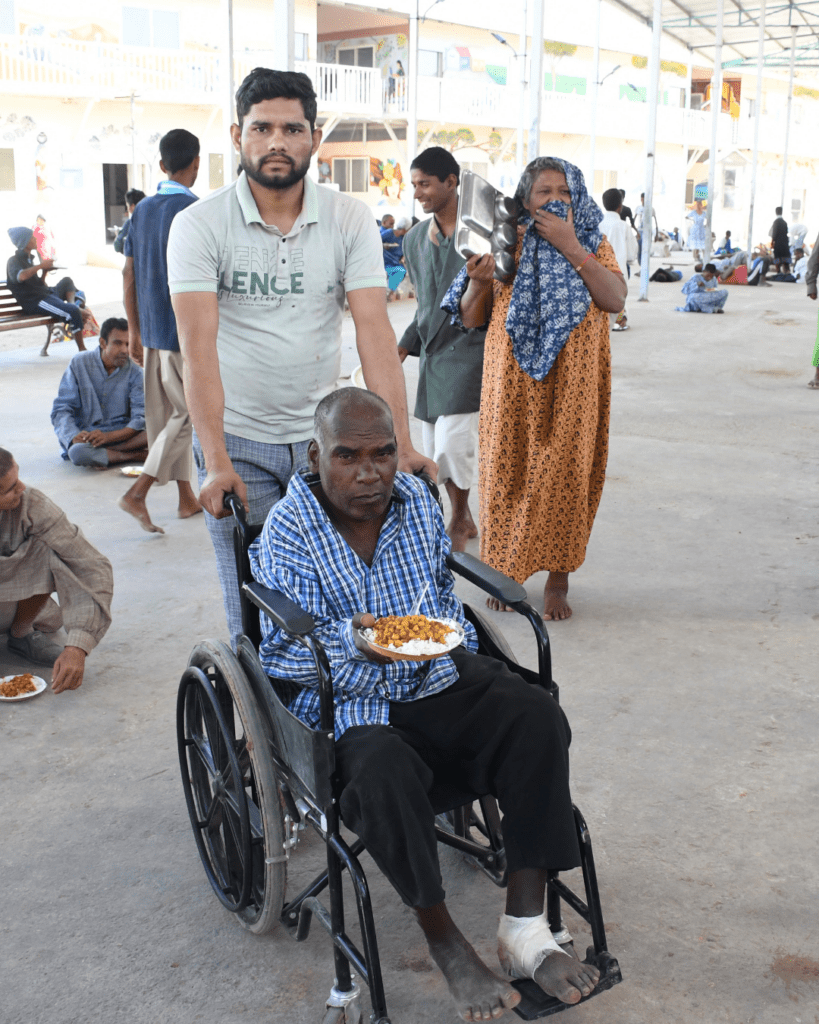
For a global audience searching for scalable, culturally rooted solutions to hunger and food waste, India’s RCL offers a compelling blueprint—one where every run counts, and every meal matters.
In an era hungry for ideas that connect enterprise with empathy, this is one initiative that proves change does not always begin in policy rooms. Sometimes, it starts on a cricket pitch.