NEW DELHI: When the 2026 FIFA World Cup kicks off on 11 June in North America, it will be more than just the biggest soccer tournament ever staged; it will be a global festival of human imagination, emotion, aspiration and unity.
For the first time in history, 48 teams will participate in the men’s World Cup as matches unfold across Canada, Mexico and the United States — an event expected to draw millions of fans to stadiums and billions more watching on screens around the world.
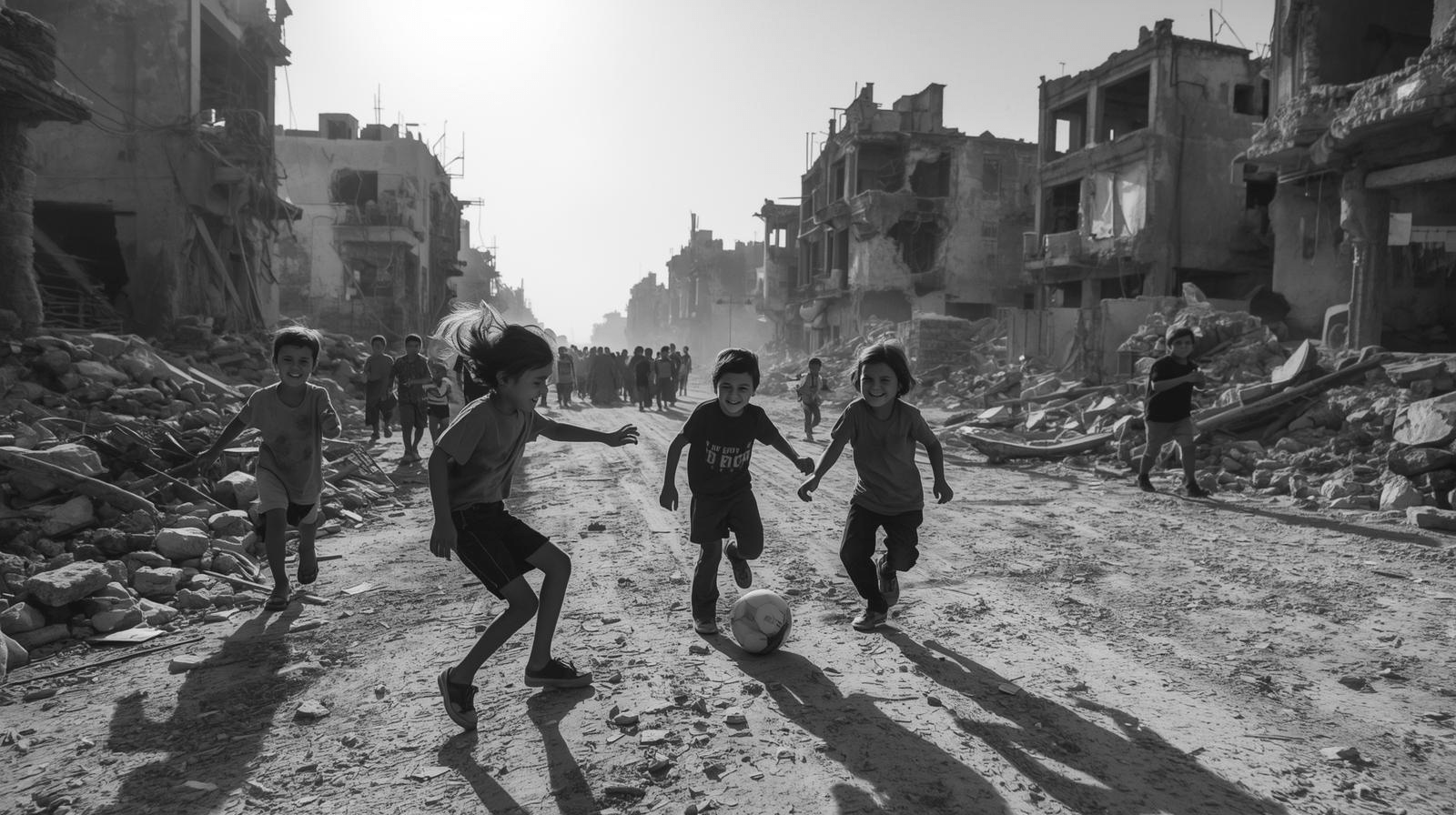
In a world riven by war, division and race-based politics, football retains a rare power: it is a language that everyone speaks, irrespective of colour, caste, creed, gender or nationality. To millions, football is not an escape — it is an experience that reminds us, if only briefly, of our shared humanity.
Football as a human bridge
The World Cup is, by design, one of the most inclusive sporting spectacles on earth. With more nations involved than ever before, it creates a platform where emerging footballing countries – from Cape Verde to Jordan – share the pitch with established powerhouses. Fans from disparate cultures – Brazilians, Egyptians, South Africans, Indians, Mexicans, Senegalese – chant, cry, celebrate and console on common ground. That common ground is a basic human need: to belong.
“Football transcends religion, race and culture,” noted a representative at the 77th session of the United Nations General Assembly in 2022, linking sports with peacebuilding and calling on states to embrace competition as cooperation.
Consider how cities around the globe transform during a World Cup. Streets once silent erupt with colour and song. Strangers become allies when their teams score; entire communities discover echoes of themselves in each tackle, each goal, each collective breath held and released.
Politics at the Gate, Unity Inside the Stadium

Of course, global sports events are not insulated from real-world tensions. Ticket access controversies, immigration policy challenges and human rights concerns in host nations are real and pressing issues that critics say the organisers must confront head-on. Human rights groups have argued that the tournament’s promise of inclusivity is threatened by discriminatory laws and restrictive visa regimes in some host regions – a contradiction to the idea that football “unites the world.”
Nor are political debates far from the pitch. In the lead-up to 2026, some national federations considered boycotts or political protests linked to broader global developments, including geopolitical rifts and leadership disputes. Yet the prevailing message from most football bodies has been clear: remain in the game, and let football be the bridge rather than the barrier.
FIFA itself has sought to underline this ethos. Late in 2025, the governing body launched a FIFA Peace Prize – “Football Unites the World” – to honour advocates for peace, underscoring the sport’s potential as a force for unity in troubled times.
Why the World Cup Still Matters
For individuals around the world, the tournament is far more than spectacle. A schoolteacher in Lagos watching Nigeria in the tournament sees pride, opportunity, possibility. A young girl in Manila dreaming of a future in sports sees role models on screens that would have been unimaginable just decades ago. A migrant worker in Qatar who once toiled under the glare of a vastly different World Cup sees in 2026 a broader affirmation that sport belongs to the people, not just to power.
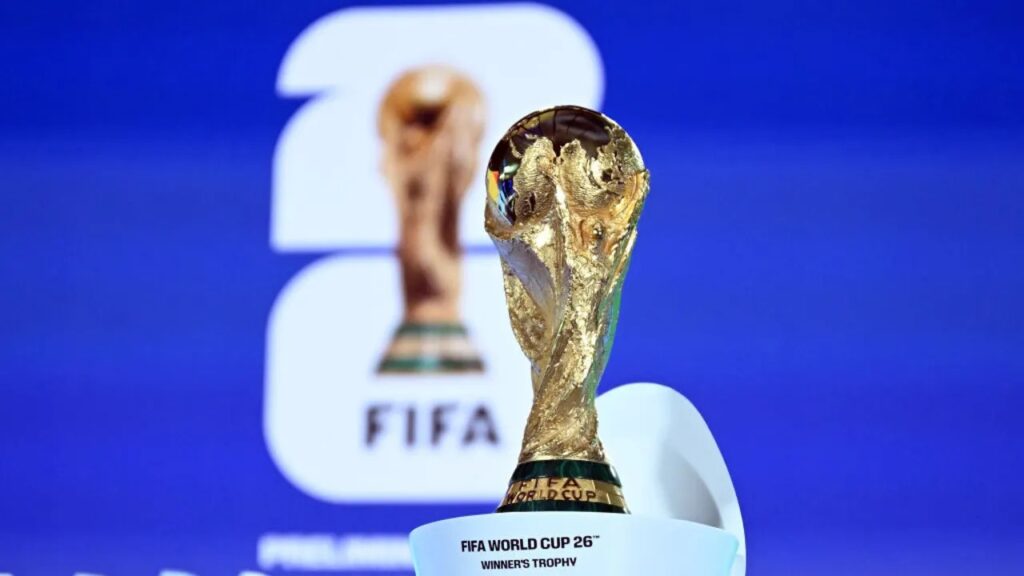
Football has the power to transform identities, to build communities across oceans, and to make friends of rivals, if only for 90 minutes.
And in a fractured world – where borders are enforced with walls and policies and where headlines often highlight what divides us – those 90 minutes matter more than ever.
Because when the stadium lights go on in Mexico City, Toronto or Miami, and a referee blows the whistle, what we see first is not difference, but human expression – joy, tension, heartbreak, triumph – that resonates with us all.
Sources: