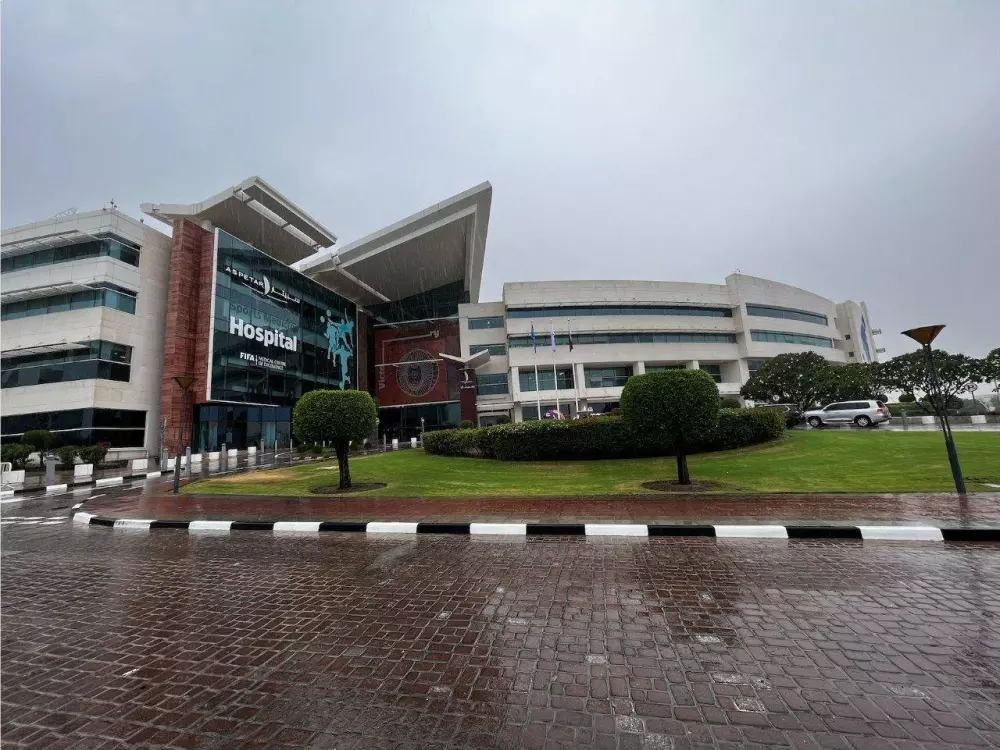
DOHA: Aspetar, Orthopaedic and Sports Medicine Hospital has set a new standard in football injury prevention after successfully rolling out its Sports Injury and Illness Risk Management Plan (RMP) tool across all professional football clubs in Qatar.
The league-wide initiative, supported by recently published scientific research, provides a practical framework for professional football globally to better protect players’ health while maintaining high performance levels.
Ahead of the 2022–2023 season, Aspetar specialists trained club medical and technical staff to use the RMP tool to identify, assess and prioritise injury and illness risks at team, player and seasonal levels.
Clubs identified a total of 809 risks—an average of 45 per team—with 72% linked to individual players, underlining the importance of personalised prevention strategies. Of these, 265 priority risks were addressed through 354 targeted mitigation tasks, including tailored strength programmes, improved communication and refined load management during congested fixture periods.
Aspetar acting Director General Khalid Ali Al Mawlawi said the project marked a shift from isolated excellence to collective prevention across an entire league, adding that shared, science-based tools would help safeguard players’ long-term health and careers while shaping the future of preventive sports medicine worldwide.
Qatar Stars League Chief Executive Officer Hani Taleb Ballan said the partnership reflected a shared commitment to embedding prevention at the core of Qatar’s football ecosystem, describing the initiative as a milestone in protecting player welfare and sustaining performance throughout the season.
The RMP project builds on Aspetar’s Injury and Illness Prevention programme for Performance (IP2), with nearly half of all mitigation tasks aligned with IP2 focus areas such as Nordic hamstring and Copenhagen adduction exercises, recovery strategies and education on sleep, nutrition and mental health.
In total, 58 specialists across the league were assigned more than 500 responsibilities, reinforcing a culture of shared accountability among medical staff, coaches and players.