DOHA: Qatar cemented its reputation as a global sporting powerhouse in 2025, combining elite athletic achievements with the successful hosting of dozens of international events, underlining the country’s growing influence in world sport.
Doha hosted 84 sporting events during the year, including 15 world championships and 14 Asian tournaments, supported by state-of-the-art infrastructure and extensive experience gained since the 2022 FIFA World Cup. Officials credited the Qatar Olympic Committee and sustained government backing for the scale and quality of the programme.
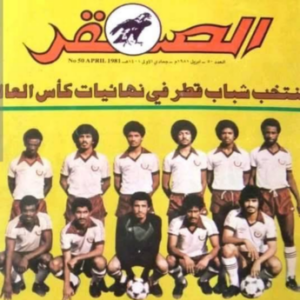
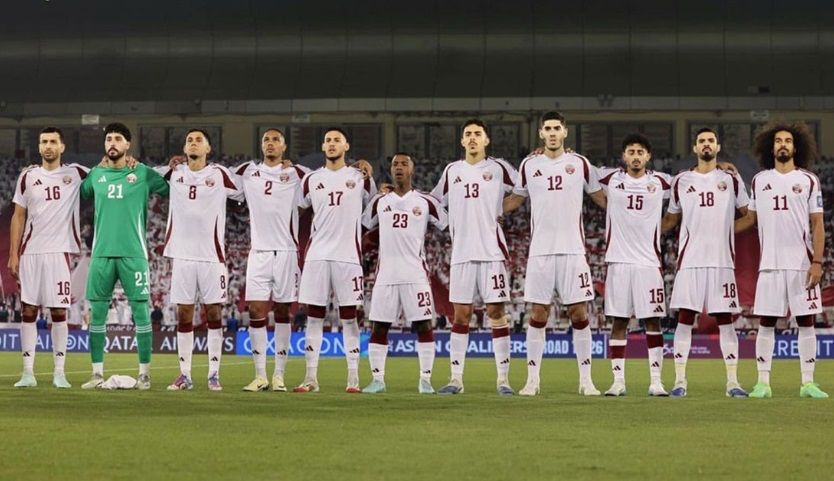
The year’s standout achievement came in football, as Qatar’s national team qualified for the 2026 World Cup in the United States, Canada and Mexico. A decisive 2–1 victory over the United Arab Emirates in October sealed top spot in their playoff group, marking Qatar’s second consecutive appearance at the tournament after their debut as hosts in 2022.
Qatar also staged the Arab Cup for the second time under FIFA supervision, drawing record crowds of more than 1.25 million spectators. Morocco won the title after a dramatic 3–2 final victory over Jordan, while organisers hailed the tournament as one of the most successful editions in its history.
Youth football remained a priority, with Qatar hosting the expanded FIFA Under-17 World Cup, featuring 48 teams and more than 100 matches. Portugal lifted the trophy, while FIFA confirmed the tournament will return annually to Doha until 2029.
In December, Doha hosted the Intercontinental Cup for clubs for the second straight year, with Paris Saint-Germain winning the title, and staged FIFA’s “The Best” awards ceremony. PSG’s Ousmane Dembélé was named world player of the year, while Barcelona’s Aitana Bonmatí secured a third consecutive women’s award.
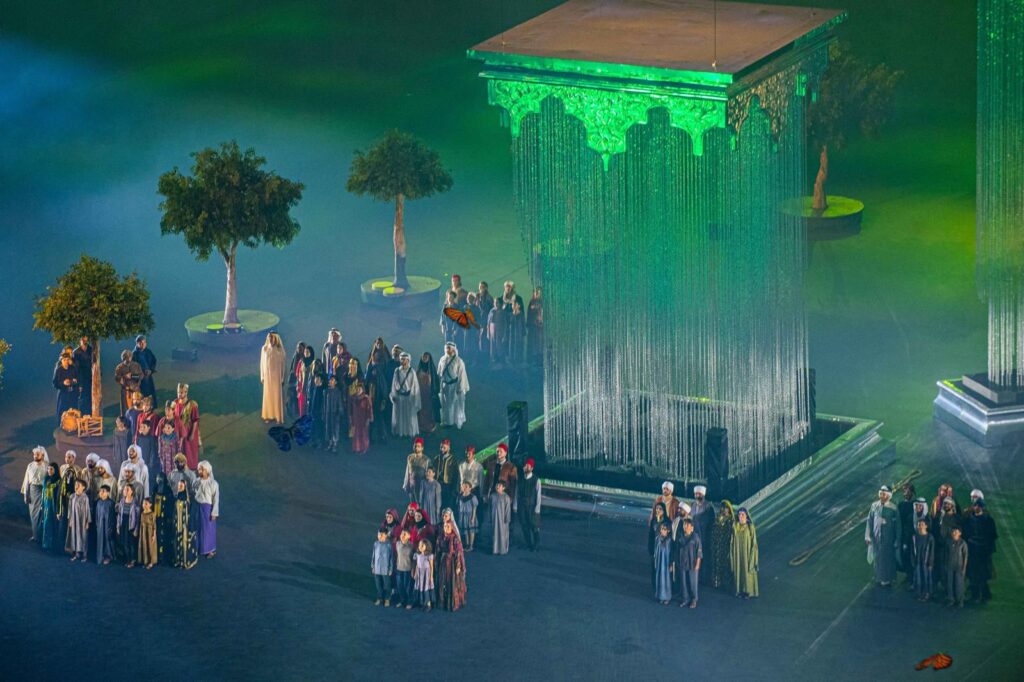
Beyond football, Qatar delivered a packed calendar across multiple sports. The Qatar ExxonMobil Open was voted the ATP’s best 500-level tournament by players, while elite women’s tennis, padel and squash events drew global stars. Qatari athletes also claimed medals in athletics, shooting, weightlifting, motorsports, marine racing and volleyball, including world and Asian championship podium finishes.
The country also strengthened its administrative footprint in global sport, with Qatari officials elected to senior positions in Asian and international federations, including motorsport, weightlifting and archery.
Qatar’s organisers emphasised that sport remains central to national development plans, citing the Third National Development Strategy (2024–2030), which promotes physical activity and elite performance as pillars of social wellbeing.
With future events already secured, including major volleyball world championships, Qatar’s 2025 season reinforced its ambition to remain a leading destination for global sport long after the legacy of the 2022 World Cup.